Why Styling Matters in Interior Photography
Interior photography is not only about documenting a space, but also about telling the story of that space. As a designer, when you prepare for your photoshoot, thinking about what story you want to convey is important, and one of the best tools in your pocket to help tell that story is styling. Styling is about paying attention to all the little details in a space that contribute to the story being told. It helps a room feel finished, balanced, and intentional. It supports your hard work as a designer and builds upon it, so that all the little details translate on camera with the same impact that your design conveys to the naked eye.
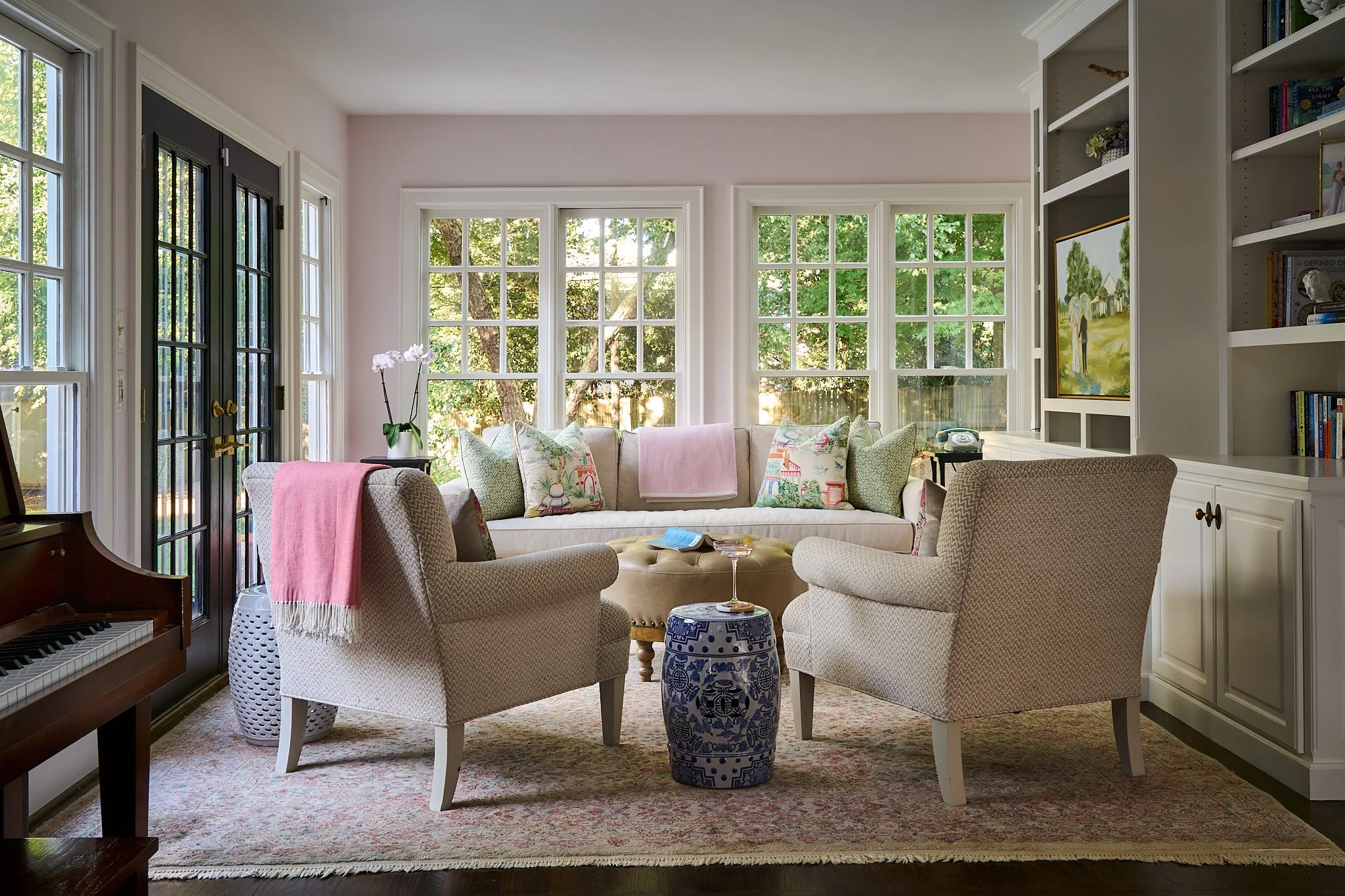
Styling Helps Create Balance in a Frame
One important thing to keep in mind while on a shoot is that the camera doesn’t always “see” a scene the same way the naked eye does. Small gaps, wrinkled textiles, empty surfaces, and clutter that may not be noticeable in person can be obvious in the camera frame. So, for instance, that beautiful table centerpiece that looks perfect in person might not have the same impact on camera. It might be that the scale looks off, or it looks off-center or out of place on camera, or perhaps the “wow” factor is missing even though it’s there in person. Oftentimes, to achieve a scroll-stopping shot, furniture within the space needs to be rearranged or adjusted; objects with height or dimension need to be added, objects need to be shifted or moved to look balanced, or items need to be taken away to simplify the scene. This intentional styling helps guide the viewer through the image and helps the image convey a mood and tell the story that you want told.
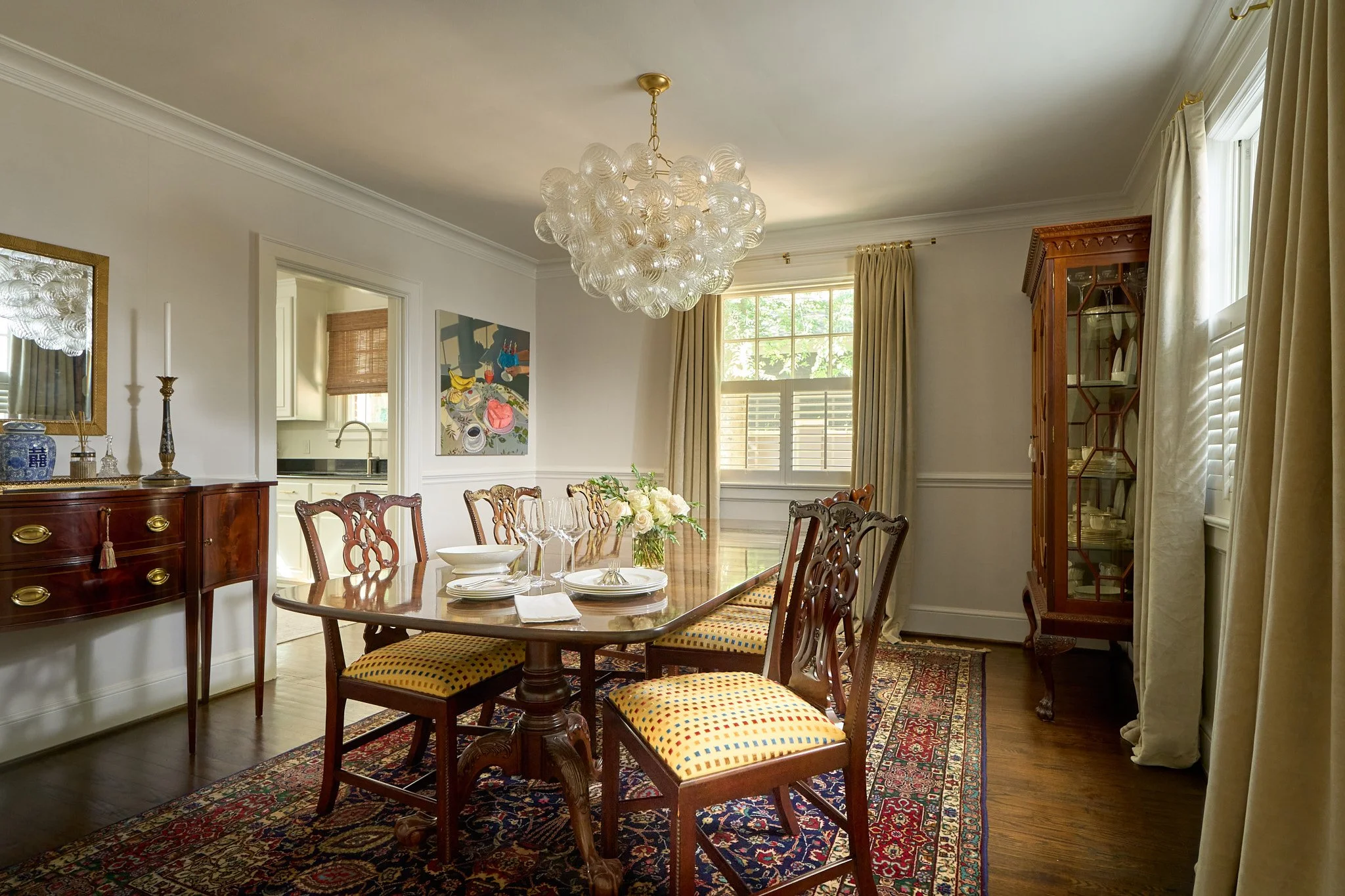
Styling Helps Convey Warmth and Life
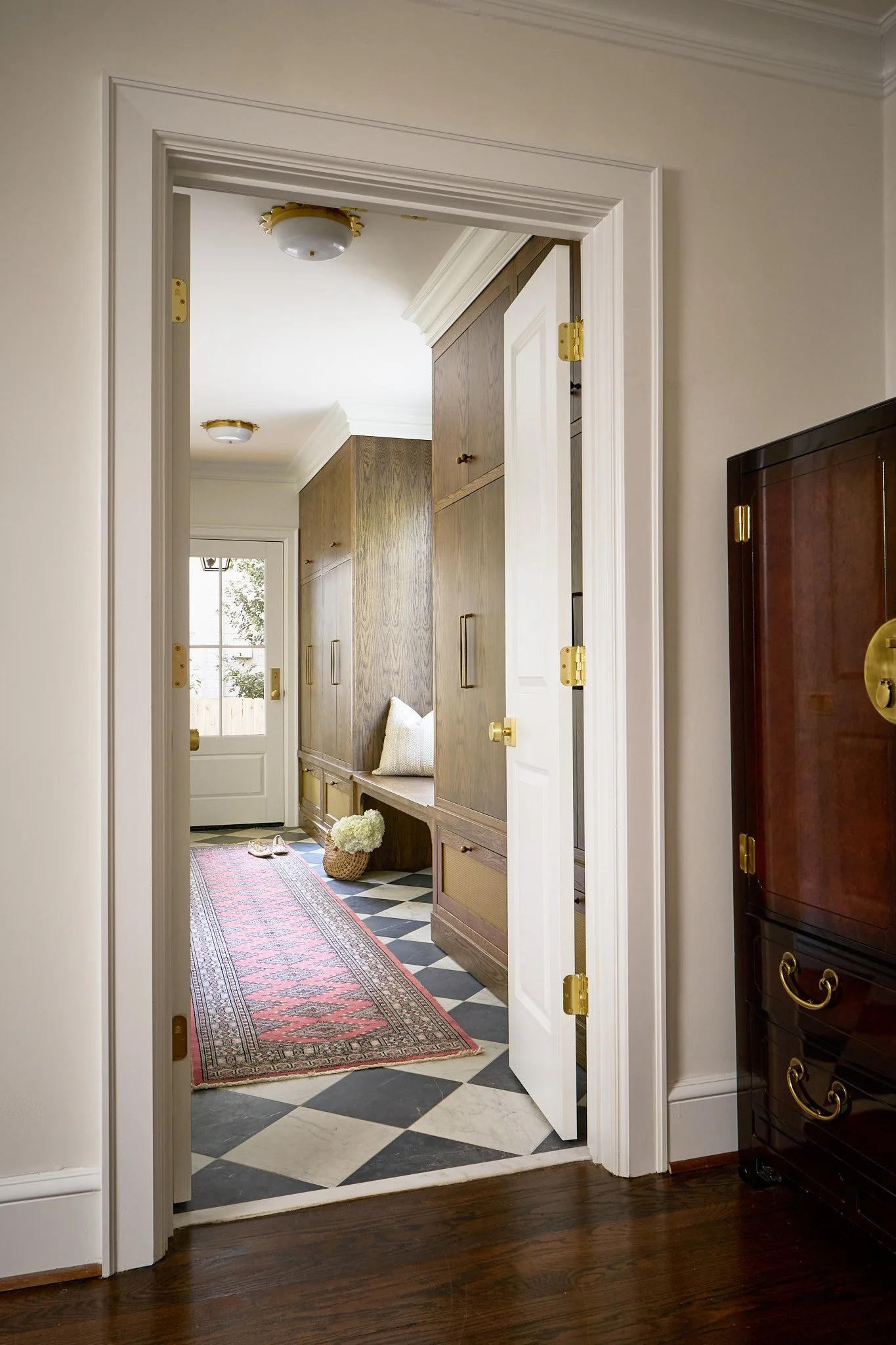
As a designer, your main goal is to create spaces to which clients gravitate and want to spend time. As a photographer, my goal is to create images that do the same thing. Styling helps to create that “lived-in,” “warm” feeling that makes a viewer want to linger. Often this is achieved by demonstrating how the viewer might live in the space if it were theirs. This is achieved by the bowl of fruit left on the kitchen counter, the book that is half-read left on the bedside table, or the not-yet-finished cup of coffee left at the kitchen table. This can also be achieved through the use of pillows, throw blankets, florals, and decorative items. Setting these scenes and telling these stories through styling are essential to helping the viewer see themselves in the photo. Styling in this way helps a room feel lived-in and approachable.
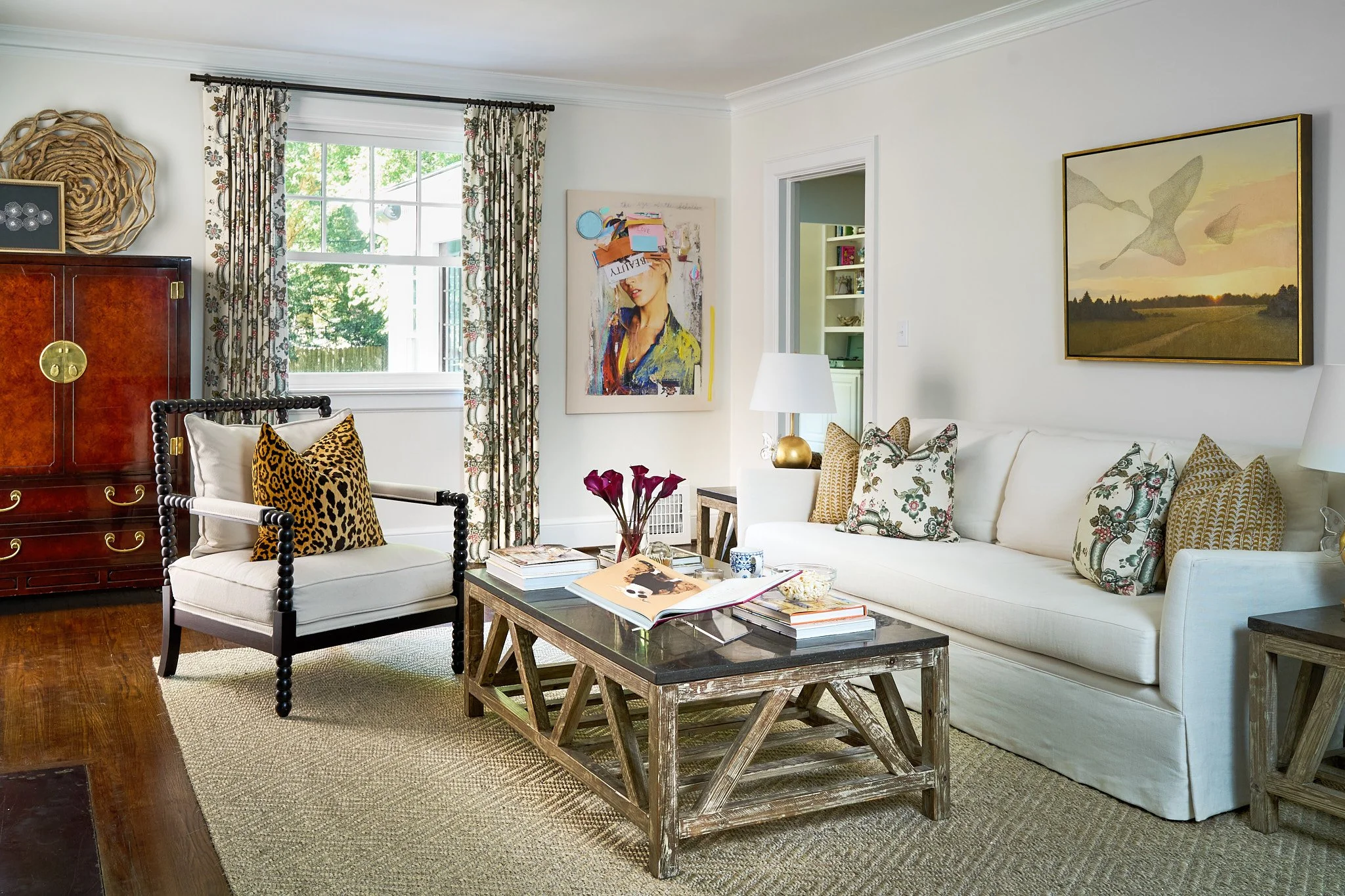
Styling Helps Highlight Materials, Textures, and Details
Styling can draw attention to parts of the project that you want highlighted. For instance, you might want to highlight the craftsmanship of a particular piece or the use of unique materials in a space. Adding styling pieces to provide layers, contrast, and softness, can help show off these particular parts of the space that you want noticed. Examples of using styling in this way might include layering a linen hand towel over beautiful bathroom tile, adding a ceramic vase of florals to a stone countertop, or thoughtfully arranging items on custom millwork shelving. Styling can help add context to these materials and highlight it in a way that photographing them alone wouldn’t be able to achieve.
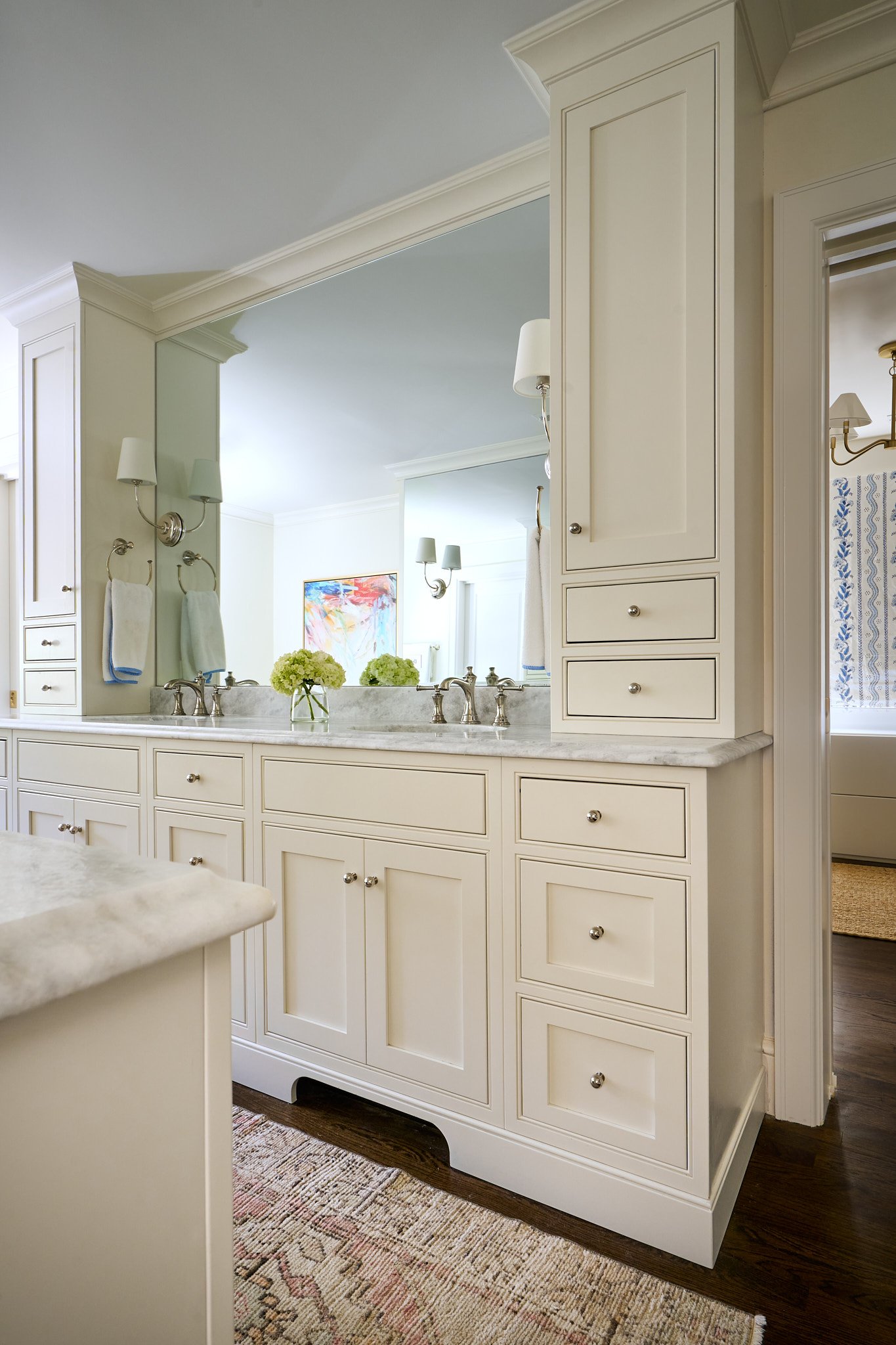
Styling Helps Remove Distractions
Sometimes styling is not about adding more, but rather editing out what is already there. As mentioned earlier, the camera doesn’t always “see” a space in the same way as the naked eye does. For this reason, at times, objects that are beautifully styled in person can look cluttered on camera. Another example of this idea is when chairs need to be removed from around a dining table, because while the chairs look like the “right” amount of chairs in real life, they look cluttered and distracting on camera. Additionally, it is often hard to know when editing will be necessary until an image is taken. That is why a willingness and readiness to style on the fly during a shoot is so important.
Styling Is a Collaboration
Styling is an important collaborative process that involves translating 3-dimensional design into an impactful photograph. The designer understands the story behind the design; the photographer understands lighting, perspective, and composition, and how those translate into an image; and the stylist (if being used) understands how to create the final layer of the project that will help the photograph stand out. It is important to understand that no matter how beautiful and thoughtfully designed a space is, it is completely normal to expect at least some styling to be necessary during your shoot. When the designer, photographer, and stylist all work together with the same goal in mind, the final photographs from your shoot will be exactly what you hoped for.
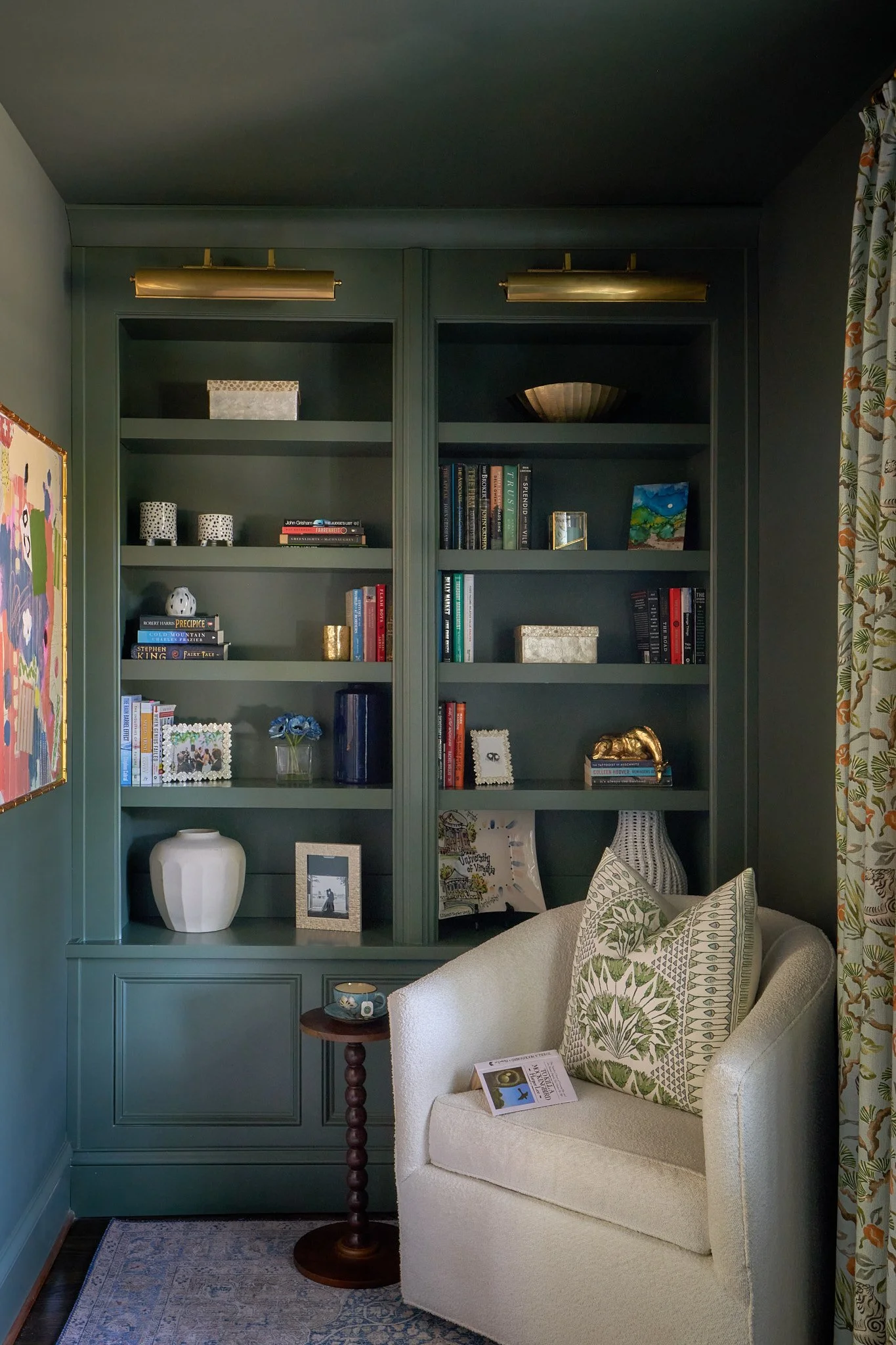
Styling matters because it helps a finished project photograph with the same care and intention that went into the design itself. The right styling choices add warmth, balance, texture, and clarity, while allowing the designer’s work to remain the focus. When styling is planned thoughtfully, the final images feel polished, natural, and cohesive. They not only document the project, but also help tell its story in a way that supports the designer’s portfolio, marketing, and future work. When styling and photography work together, the images do more than show a beautiful room — they help communicate the value of the designer’s eye.
If you are an interior designer preparing to photograph a finished project, I would love to help you create images that feel polished, intentional, and true to your work.